Why Sewer Camera Inspections Matter
Sewer camera inspections matter for several reasons. The first is that they allow us to see exactly what’s happening inside your sewer line. Without a camera inspection, a plumber has to guess what’s causing clogs, backups, and foul odors. Then they have to use a trial-and-error approach to repairing the system, which can increase the cost of the work.
Getting a camera inspection may even help you avoid a complete line replacement. This is because we can determine the extent of the damage before we dig. We may be able to repair a cracked pipe rather than replace it, saving you money. Sewer line inspections can even help us spot problems early. If we see cracks early, we can address them right away.
Sewer Line Video Inspection Process
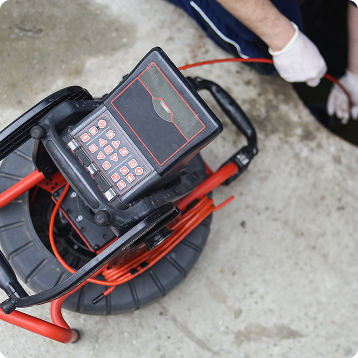
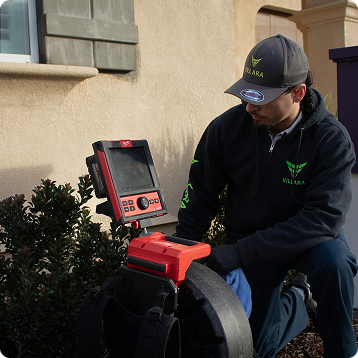
When we do a camera inspection, we start by accessing the sewer line. We may use a floor drain or a roof vent, for example. The next step is to insert a flexible cable into the access point. This cable has a high-resolution camera attached. Because the cable is flexible, it can move through your sewer line without causing any damage.
As the cable moves through your sewer line, the attached camera provides a live video feed. A technician watches this feed closely. They’re looking for cracks, blockages, misaligned joints, and other sewer issues. After completing the inspection, we’ll explain our findings and recommend appropriate solutions.
Diagnostic Sewer Inspection Solutions
The goal of a diagnostic inspection is to determine what’s causing your sewer problem. For example, if your sinks and tubs are draining slowly, we’ll look for clogs. A camera inspection can also help us identify pipe defects and damage caused by tree root intrusion. Using a camera to diagnose the problem helps us create an effective repair plan.